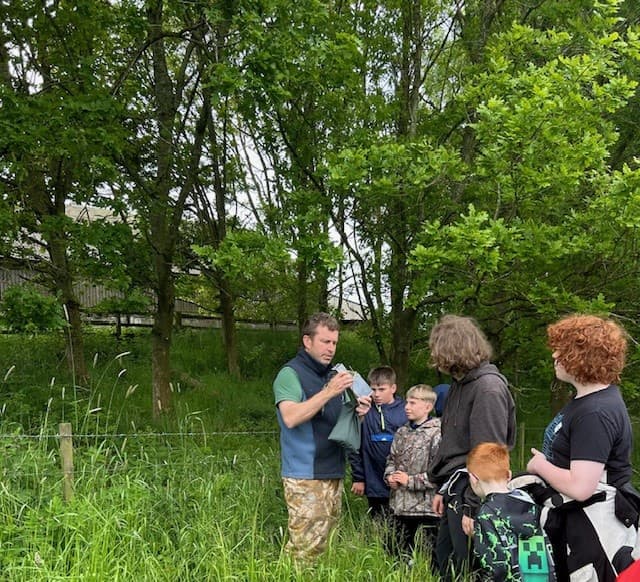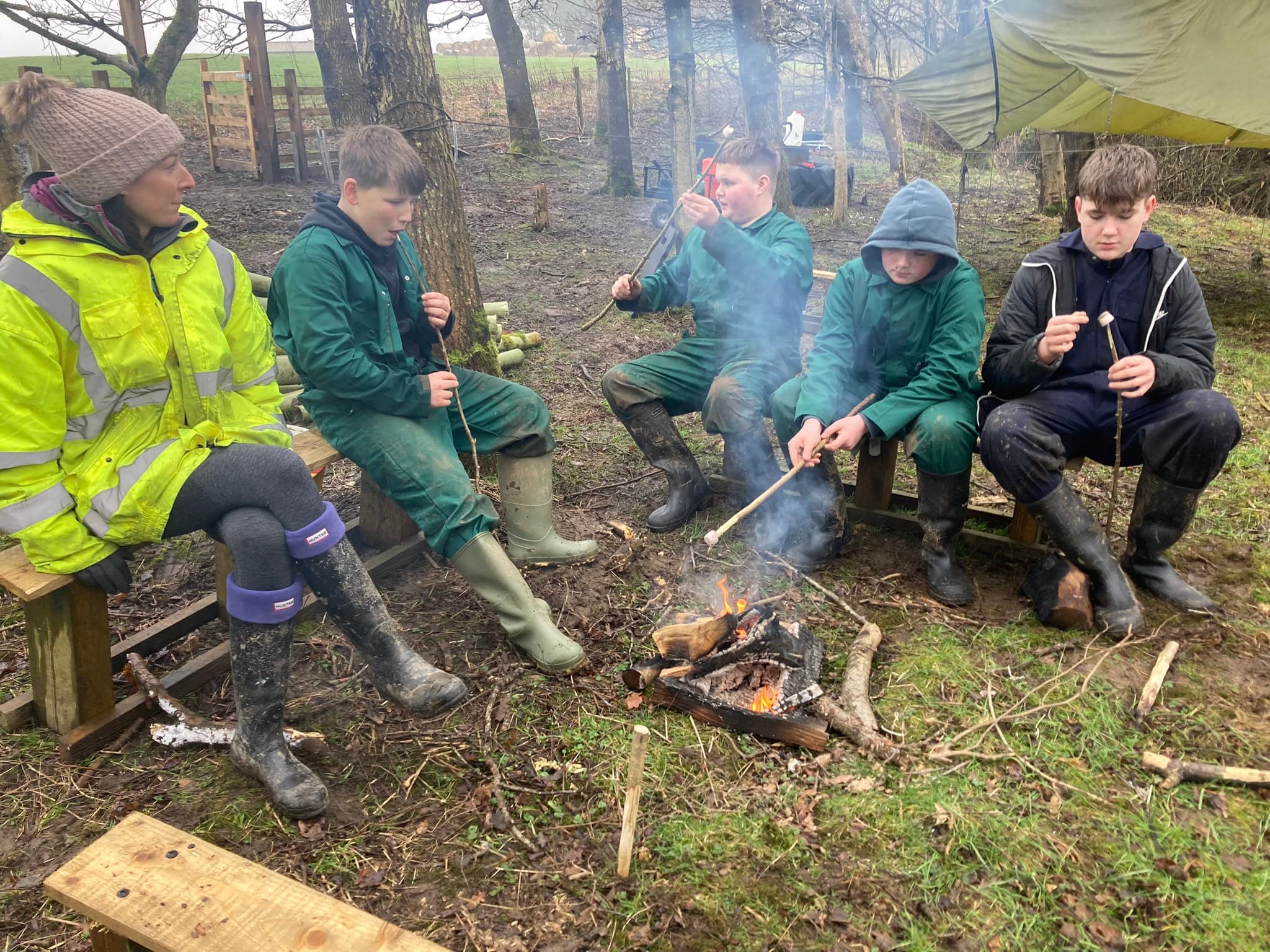
Solidarity Farm (SF) is a social enterprise based on a 200-acre organic farm on the edge of Northumberland National Park. Founded in 2023 by John Harrison, the Farm combines sustainable agriculture with inclusive outdoor learning to create opportunities for young people who may not thrive in traditional educational settings.
SF’s work spans educational farm visits, holiday provision for young people, and alternative education in small groups and 1:1. The Farm takes the approach that prevention and early intervention, particularly for young people, are essential to creating lasting change. It aims to create an environment where young people who struggle with more formal approaches to education can experience a genuine sense of community, belonging, and purpose. SF prioritises those facing social, economic, or educational barriers, providing hands-on experiences in sustainable farming that develop practical green skills and open up training and employment pathways. Its vision is a fair and inclusive green economy where every young person, regardless of their background, has access to meaningful opportunities, feels valued, and is empowered to thrive.
Through its alternative education, SF has engaged young people who have struggled in mainstream education by offering learning that is practical, purposeful, and inclusive. The Farm combines relatable role models, hands-on experiences, and progression pathways to challenge perceptions that green careers are inaccessible. Many participants arrive disengaged from education, including those with zero attendance, but reengage through SF, describing the Farm as “not like school.” Learning is embedded in meaningful work, creating a strong sense of belonging and demonstrating the value of contributing to a low- carbon future. Young people move on from SF with skills and qualifications, or into further education or apprenticeships. For those not yet ready for progression opportunities or employment, the team offer further skills development alongside continued mentoring and phased progression, ensuring there is no drop off of support.
Pathways and supported work placements for young people are the key priorities for SF’s future work. While the organisation is confident in providing young people with the skills to thrive in land-based industries, ensuring there is an accommodating job market at the other end can prove to be more difficult. This is particularly the case when working with young people with complex and additional needs. SF will tackle these challenges through codesigning progression routes with local farms and established partners. This includes supporting both young people and employers to overcome perceived barriers. The Foundation is supporting SF with a grant towards its Founder’s salary, to give security to the planning and underlying coordination of this work.
Over the next 12 months, SF will develop a more structured progression pathway for young people who are approaching the transition from education into employment. This will include employer visits, work tasters, shadowing, supported work experience and, when appropriate, introductions to apprenticeships, further training and paid employment. Rather than expecting young people to move immediately from a highly supported environment into work, SF will develop phased opportunities which allow them to build confidence and take increasing responsibility over time. SF will also work with employers before and during placements to help them understand an individual young person's strengths and support needs, agree realistic expectations and resolve difficulties early.
Developing its work around pathways into employment will strengthen SF’s offer and track record of success, providing a clearer basis for future support from funders, commissioners and strategic partners. The Foundation will be supporting SF with the development of this work, as well as working together to increase the organisational capacity and confidence needed to deepen its impact and influence.